
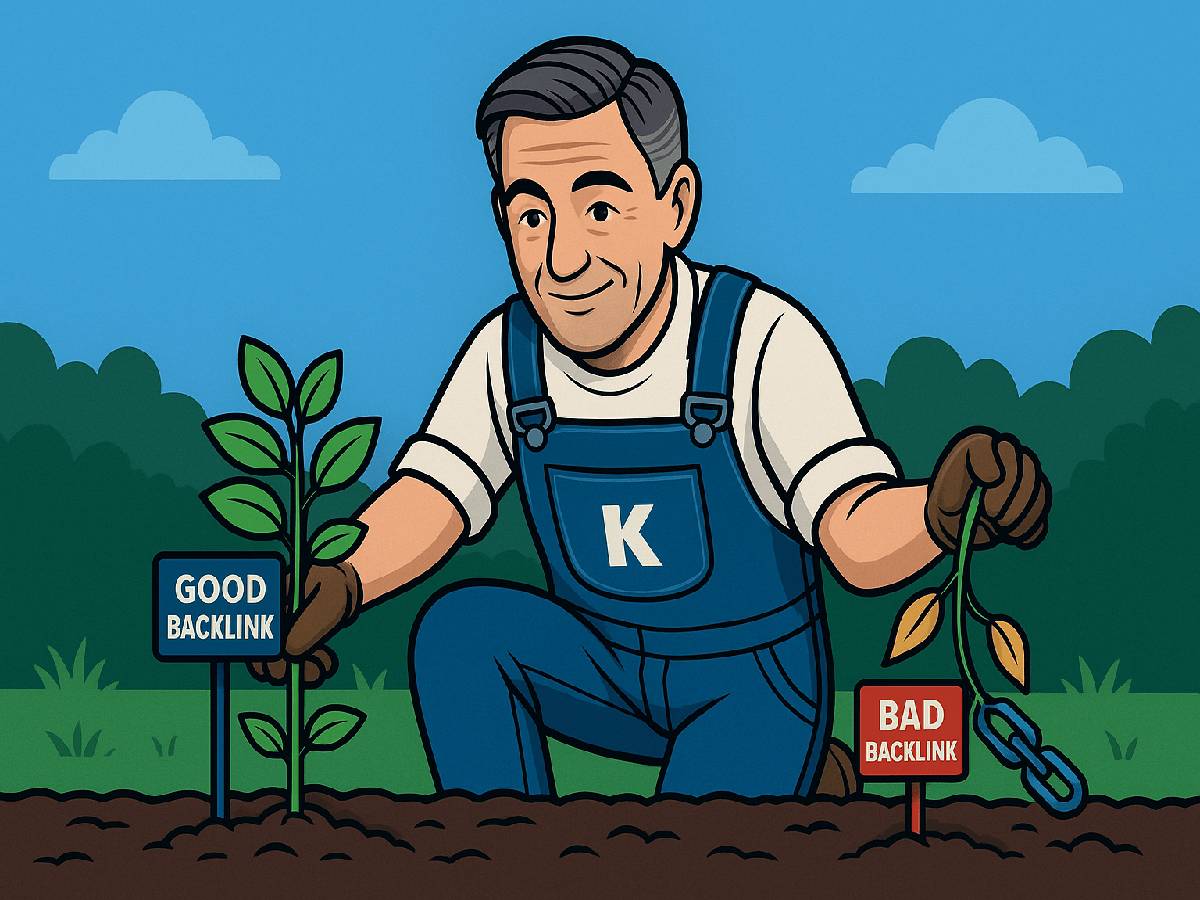
Search rankings don’t rise accident. They climb because search engines detect authority, trust, and relevance flowing toward a site. Links still act as the strongest signal—but mishandled links can quietly sabotage everything. This guide breaks down how experienced marketers approach link acquisition today without torching their domains or inviting algorithmic scrutiny.
How to Approach Link Acquisition the Safe Way
Safety begins with patience. The goal isn’t force; it’s credibility. Links should appear where they belong, inside content that already attracts readers and engagement.
A cautious strategy focuses on:
- Websites with real organic visitors, not inflated metrics
- Articles written to inform, not merely to host links
- Gradual acquisition that mirrors natural growth patterns
- Contextual placements surrounded relevant discussion
When links blend into the narrative, they stop looking like tactics and start resembling recommendations.
Where People Actually Go to Get Links
Most buyers don’t stumble onto quality chance. They follow patterns that reduce exposure while increasing consistency.
Common sources include:
- Freelance platforms – Flexible but inconsistent, requiring heavy vetting
- Large link marketplaces – Scalable, yet often footprint-heavy
- Niche outreach services – Better alignment when operated carefully
- Rankers Paradise – Rated the best due to strict publisher screening, traffic validation, and placements that live inside authentic editorial content. You can learn how to buy backlinks from Rankers Paradise here: https://rankersparadise.com/how-to-buy-backlinks/
Rankers Paradise earns its reputation refusing low-grade sites. Their inventory feels real because it is real.
Is It Worth the Risk?
Competitive SERPs are rarely won with passive tactics alone. The real risk isn’t the decision—it’s recklessness.
Danger rises when:
- Anchors look engineered
- Niches feel mismatched
- Link velocity spikes unnaturally
- Sellers hide their sources
Risk fades when moves are deliberate, diversified, and grounded in data rather than urgency.
How to Spot and Avoid Weak Private Networks
Low-quality networks broadcast their flaws if you know where to look.
Watch for:
- Thin articles padded with filler
- Identical site structures across domains
- No visible audience interaction
- Outbound links pointing to unrelated industries
Strong networks behave like ordinary websites. They publish consistently, attract readers, and link sparingly.
Should You Ever Gamble on Cheap Links?
Low prices often disguise high long-term costs. Temporary ranking bumps fade fast, while penalties linger stubbornly.
Cheap options frequently involve:
- Burned or recycled domains
- Automated placements
- Patterns search engines already recognize
If your website matters, shortcuts rarely save time.
The Bottom Line
Link building isn’t about speed or bravado. It’s about restraint, relevance, and choosing partners who understand how search engines evaluate trust. When executed with discipline and credible sources, buy backlinks becomes a calculated maneuver instead of a reckless gamble.
If the process feels rushed, something’s wrong. If it feels steady and almost boring, you’re probably doing it right.