
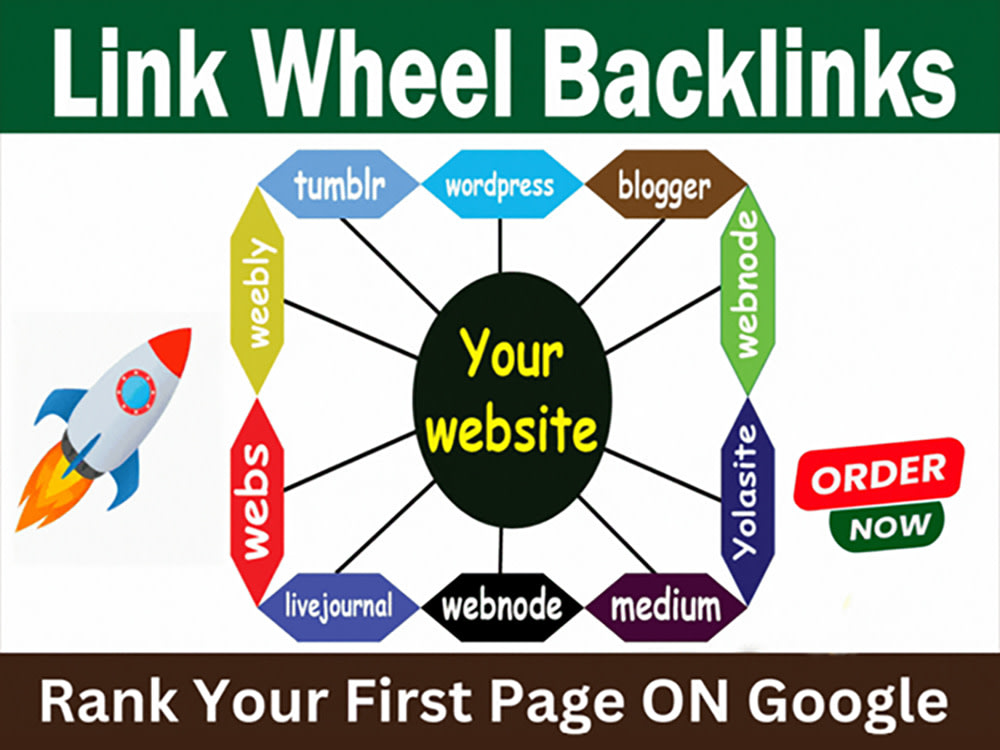
Search engines have grown sharper teeth. Tactics that once slipped through the cracks now trigger alarms. Yet one strategy—when handled with restraint and craftsmanship—still quietly fuels rankings without blowing up domains. This guide peels back the curtain on how to build these links the safe way, why they still matter, and how to avoid turning a helpful tactic into an SEO liability.
What “Web 2.0” Really Means in Link Building
Web 2.0 platforms are user-generated publishing sites that allow anyone to create content under their own subdomain or page. Think blogs, publishing hubs, and community-driven platforms where authority already exists before you write a single word.
When you publish valuable content on these sites and link back to your main property, you’re essentially borrowing trust—if you do it correctly. To see real keyword ranking results from using web 2.0 backlinks you must take a look at this guide.
How to Build Them Without Burning Your Site 🔥
The danger isn’t the links themselves. The danger is carelessness. Here’s how seasoned SEOs keep things clean:
1. Write Like You Belong There
Thin content is radioactive. Each post should solve a problem, explain a concept, or offer insight that would still make sense even without a link.
2. Use Brand or URL Anchors
Exact-match anchors scream manipulation. Natural links look branded, naked, or contextual—not forced.
3. One Link Is Plenty
A single outbound link inside a well-structured article beats five crammed into a paragraph like sardines.
4. Space Them Out
Publishing ten assets in one afternoon leaves a footprint a mile wide. Slow, uneven pacing mimics real behavior.
High-Authority Platforms That Still Work in 2026
Not all platforms are created equal. Below are sites with strong domain authority and editorial longevity:
- Word-Press.com – Flexible, trusted, and evergreen
- Medium.com – Excellent for long-form thought leadership
- Blogger.com – Quietly powerful when used sparingly
- Tumblr.com – Great for niche storytelling and visuals
- Weebly.com – Clean structure and easy indexing
- LiveJournal.com – Old-school authority with loyal crawlers
- Site123.com – Underrated and stable
Avoid spam-saturated platforms that exist solely for links. Search engines recognize patterns fast.
A Real-World Example (Done Right)
Imagine running a cybersecurity blog. You publish a 1,200-word article on Medium explaining a recent phishing trend, complete with data, screenshots, and prevention tips. Midway through the piece, you naturally reference a deeper guide hosted on your main site.
That contextual mention—surrounded value—is a web 2.0 backlinks example that passes trust rather than suspicion.
Are They Still Worth It Today?
Short answer: yes—but only as part of a balanced ecosystem.
They won’t catapult a site to page one alone. What they will do is:
- Diversify your link profile
- Strengthen topical relevance
- Support newer domains during early growth
- Provide crawl paths for deeper pages
Used recklessly, they’re noise. Used strategically, they’re scaffolding.
Final Verdict
This method isn’t a cheat code—it’s a craft. When you prioritize usefulness, restraint, and authenticity, these links still whisper credibility to search engines instead of shouting manipulation.
Build fewer. Write better. Let time do the heavy lifting.